
Since termites are capable of causing extensive property damage, it is best to take immediate action if you are noticing early signs of a termite infestation such as mud tubes or discarded termite wings. Regardless of the specific termite species you’re dealing with, the termite control experts at Clear Pest Pros have you covered.
Termite species we commonly treat for include:
Subterranean Termites
Subterranean termites live in large colonies under the soil, and are the most common type of termite in the United States. Since they cause the most damage of any termite species, we advise scheduling termite inspection as soon as possible if you even suspect an infestation.
Drywood Termites
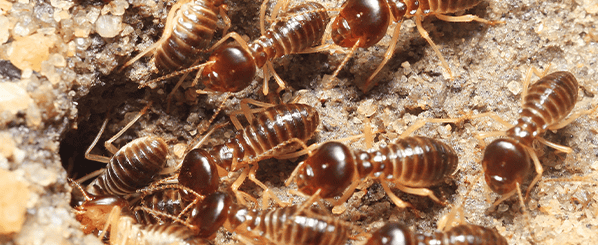
Drywood termites infest dry wood such as structural lumber and wooden furniture, and can create multiple colonies within the wood they infest. These termites are known for tunneling into dry wood, which can lead to serious structural damage if colonies are left undisturbed.
Formosan Termites
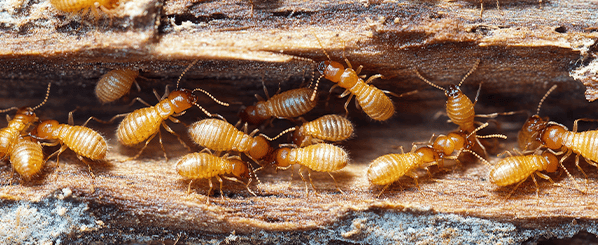
Formosan termites are a type of subterranean termite that invade properties through the wood that touches the soil. Since their nests can contain millions of termites, it is best to rely on a professional termite control company to ensure your termite problem is properly taken care of.
Dampwood Termites
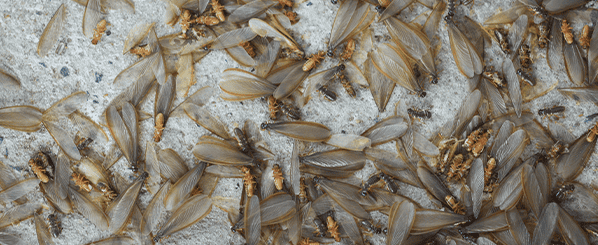
Dampwood termites usually infest moist or rotting wood, and can live and thrive entirely within the wood they have infested. While these termites are less likely to inflict structural damage than other termite species, our pest control experts are here to help get your termite problem under control.
Termite Map
As with any type of pest, certain regions are more susceptible to termite activity than others. Find out more about termite swarm activity in your area – and which termite species you may need to watch out for – with our handy termite swarm map!
